Quick Summary: Planning a destination wedding in Mexico is straightforward when you do things in the right order. Guest count and budget come first. Destination and resort come second. The legal vs. symbolic ceremony decision comes early, not late. Save the dates go out 10 to 12 months out. Most resorts don’t start finalizing your actual wedding details until 90 days before the date. That quiet period is normal. This post walks through each step and what most planning guides leave out.
We do a lot of first consultations. And across over 1,000 destination weddings planned in Mexico and Belize, the same two situations come up almost every single week.
The first: a couple comes in having already fallen in love with a specific resort, only to realize their guest count doesn’t match the venue’s capacity or their budget doesn’t match the package tier. The second: a couple books everything correctly, then panics around month six when the resort goes completely quiet and stops responding about wedding details. They assume something is wrong. Nothing is wrong. It’s just how the process works.
Both situations are completely avoidable. The first one requires knowing the right order of operations. The second one requires knowing what to expect from your resort’s timeline. The average US wedding now costs $34,200, and a destination wedding in Mexico for the same group typically costs 40 to 85% less. The savings are real. But only if you plan in the right sequence.
This guide covers the six steps in the order they should actually happen, the legal ceremony decision most couples make too late, the 90-day planning window nobody warns you about, and a full timeline to keep everything on track.
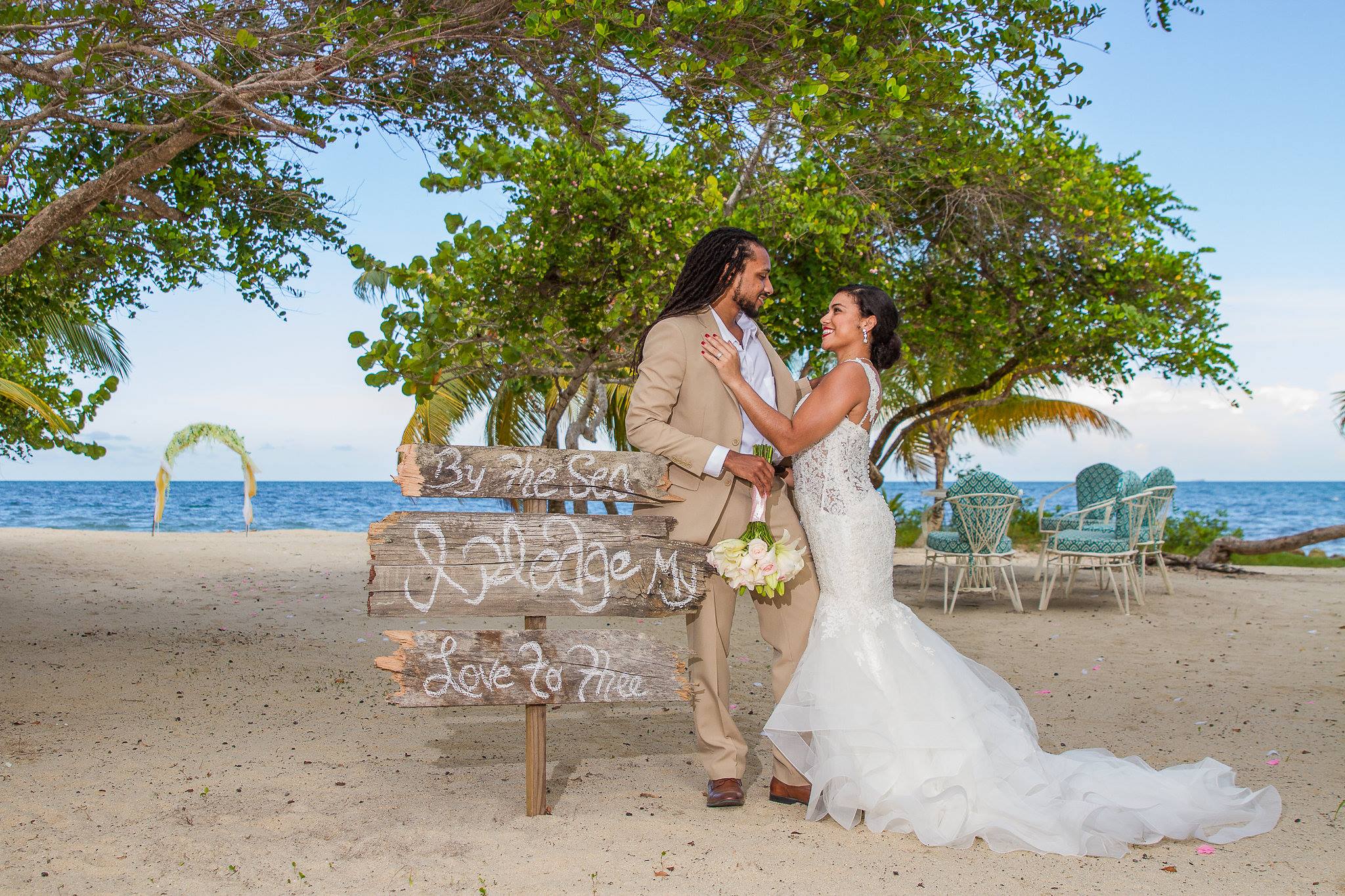
Start with Budget and Guest Count — Not the Destination
Guest count is the number that determines your destination options, your resort tier, your package structure, and your total cost. Budget and guest count must be decided before you look at a single resort or destination. Choosing a venue before you know these two numbers is how couples end up committing to a property they can’t actually book for the wedding they actually want.
Kyle puts it plainly on every first call: if you change the guest count, you change everything. The destination options change. The venue choices change. The package tier changes. The overage math changes. The room block minimum changes.
Your guest count determines:
- Which destinations are realistic (Tulum caps out around 100; Cancun handles 300+)
- Which resort tier makes sense (boutique properties max out at 40 to 80 guests)
- Whether your budget works (per-person overages above package limits add up fast)
- How much room block you need to negotiate
- What package tier you’re actually shopping in
The same logic applies to budget. Before you fall in love with a Conrad Tulum or a Rosewood Mayakoba, know your real number. A realistic all-inclusive destination wedding in Mexico for 50 guests runs $15,000 to $25,000 all in for the event itself, according to real couple data. Boutique EP properties run higher because food and drink at the reception are charged separately.
Choose Your Destination in Mexico
Mexico is large, and the destination wedding markets within it are genuinely different from each other. Your guest count, aesthetic, and travel priorities should drive the choice.
| Destination | Vibe | Guest Count Sweet Spot | Travel Ease |
| Cancun / Riviera Maya | Polished, modern, large resort infrastructure | 50 to 300+ | Direct flights from most US cities; 20 min to hotel zone |
| Tulum | Boho, jungle-meets-beach, boutique | 30 to 100 | Tulum airport + Cancun option; 30–90 min transfer |
| Cabo San Lucas | Pacific, dramatic, upscale | 30 to 150 | Strong West Coast access; longer for East Coast guests |
| Riviera Nayarit | Intimate, low-key, Pacific luxury | 20 to 80 | Puerto Vallarta airport; strong Midwest + West Coast routes |
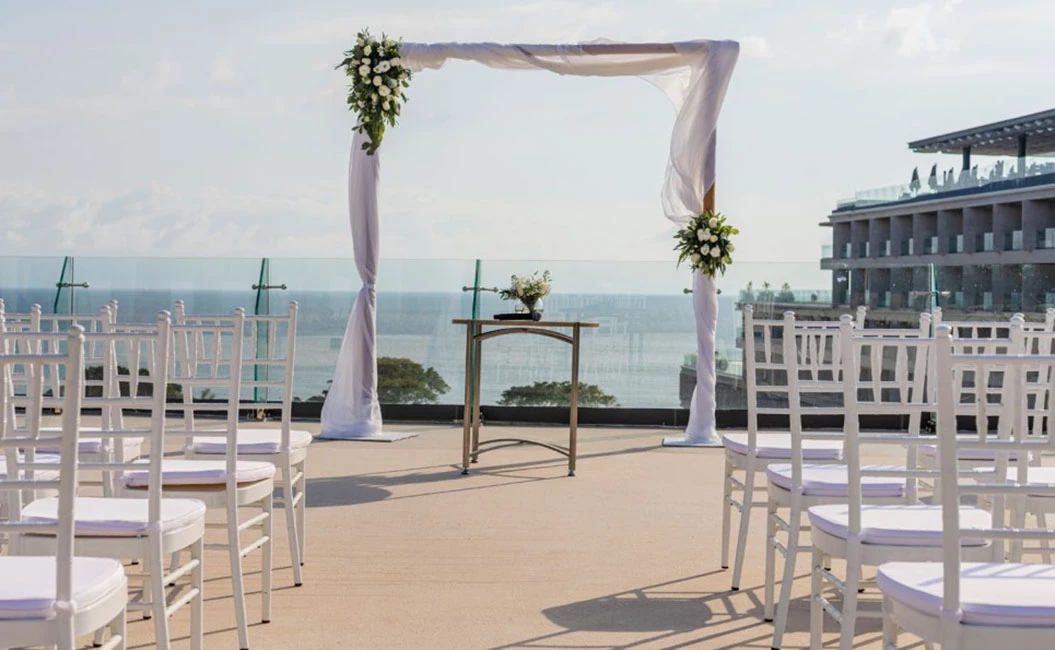
For most couples planning their first destination wedding in Mexico, Cancun and the Riviera Maya is the lowest-friction starting point. The flight infrastructure is the best in the country, the all-inclusive resort options are plentiful, and the resorts we work with in this corridor handle everything from 50-person intimate weddings to 200-person celebrations without breaking a sweat.
Tulum is the right choice for a specific couple: boho aesthetic, 30 to 100 guests, comfortable with a slightly more involved transfer, and genuinely excited about the destination’s individuality. If that’s you, read our guide on whether Tulum is the right fit before going further. And when you’re ready to compare properties, see why we almost always recommend all-inclusive regardless of destination.
Make the Legal vs. Symbolic Ceremony Decision Early
Over 80% of couples getting married in Mexico choose a symbolic ceremony and handle the legal paperwork at home. A legal civil ceremony in Mexico requires arriving 3 to 4 business days early, blood tests performed in Mexico, apostilled and Spanish-translated documents, and four adult witnesses. The symbolic ceremony looks and feels identical. Your guests will not know the difference.
Here’s how the two options compare side by side:
| Symbolic Ceremony | Legal Civil Ceremony | |
| Legal standing | None in Mexico; get legally married at home | Recognized in Mexico and internationally |
| Paperwork | None required | Apostilled birth certificates, translated docs, blood tests, marriage application |
| Arrive early | No | Yes, 3 to 4 business days before the ceremony |
| Witnesses | None required | Four adults with valid ID required |
| Cost | $0 to $900 plus resort package | $1,500 to $1,600 plus resort and service fees |
| Guest experience | Identical | Identical |
| Popularity | 80%+ of US couples choose this | Chosen by couples who need legal recognition in Mexico specifically |
The symbolic route is simpler, cheaper, and less logistically demanding. Your guests won’t notice any difference, and your marriage is just as real. Unless there’s a specific reason the legal ceremony needs to happen in Mexico, most couples choose the symbolic route and get legally married at their local courthouse before or after the trip.
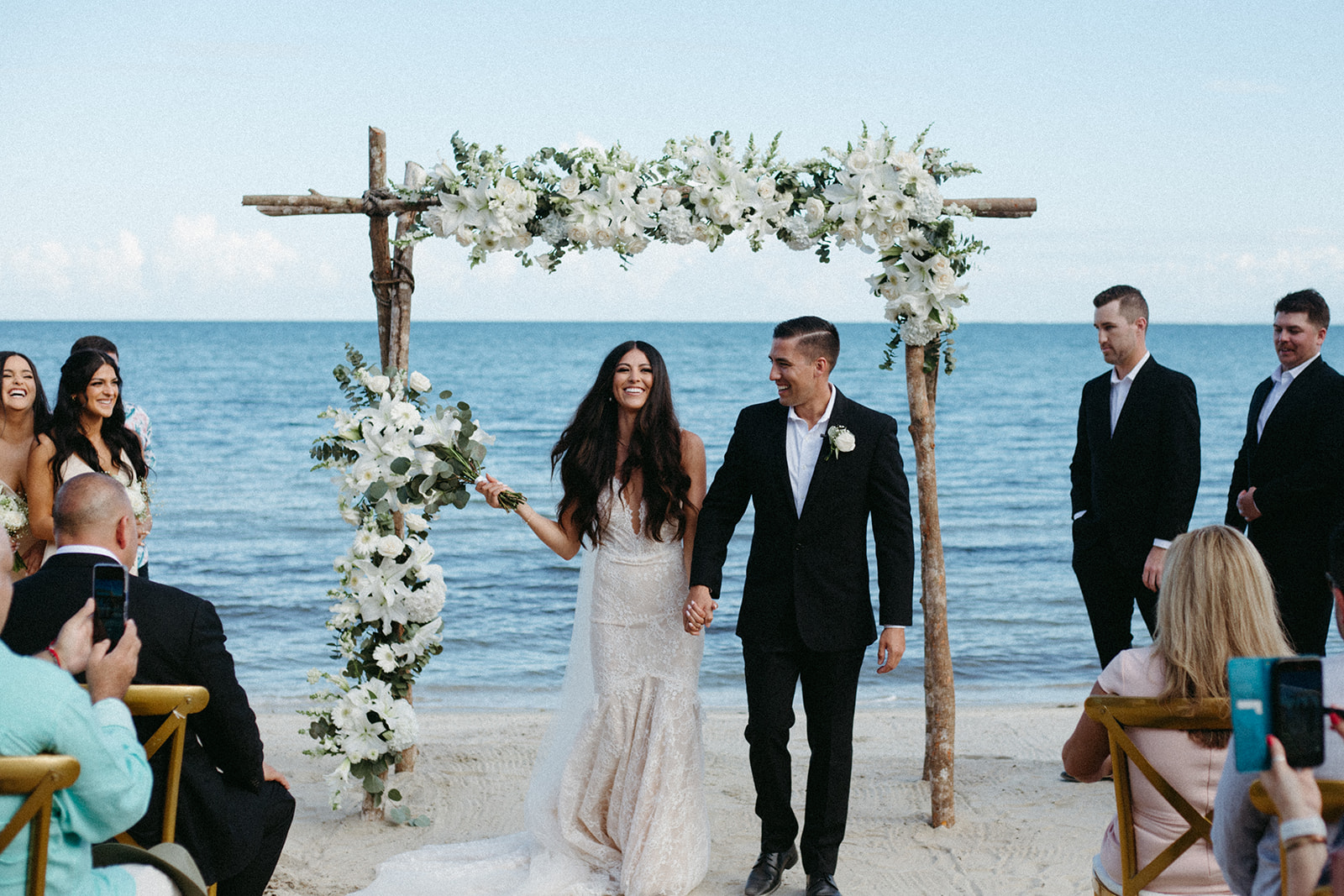
The one situation where a legal ceremony in Mexico makes sense: couples who need the marriage recognized under Mexican law for immigration, citizenship, or nationality purposes. For everyone else, symbolic is the simpler and smarter call.
Book Your Resort and Lock In Your Date
For peak season weddings from November through April, start the venue search 12 to 18 months in advance. The best dates at quality resorts go well within that window. Shoulder season weddings (late April through early June, or October through November) can be planned in 9 to 12 months, but earlier is always better.
Before signing any resort contract, get clear answers to these questions:
- What is the per-person overage fee for guests above the package limit? Get the number in writing before you commit.
- Are taxes and service charges included in the quoted package price? Always ask for the all-in number.
- Can we choose our ceremony venue, or does the hotel assign it? If the specific space matters to you, confirm it’s locked in contractually.
- What is the outside vendor policy, and what are the access fees? Know this before you fall in love with a photographer not on the approved list.
- What are the room block terms, specifically the attrition clause?
The attrition clause is the most expensive thing most couples don’t read. When you sign a group room block contract, you commit to a minimum number of room nights. If your guests don’t fill those rooms by the deadline, you may be responsible for the shortfall. An experienced planner structures the room block contract to protect you from this. Always understand the attrition terms before you sign anything.
One more note on resort contracts: room block minimums typically start around 10 rooms. Negotiate for flat venue fees, bundle welcome or rehearsal events into the package where possible, and always build a 10% contingency buffer into your total budget. These are the terms a planner negotiates that couples booking directly often miss.
For a deeper look at how packages are structured once you’ve chosen a resort, see our guide on what’s actually included in a Tulum wedding package — the same package logic applies across Mexico destinations.
Send Save the Dates and Build Your Wedding Website
Send save the dates 10 to 12 months before the wedding. Destination wedding guests need more lead time than local wedding guests. They’re requesting vacation, budgeting for flights, arranging childcare, and booking rooms. The earlier your guests get notice, the better your turnout. A wedding website is not optional for a destination wedding. It’s the single source of truth for every guest.
Your wedding website needs to include:
- Resort booking link — with your group rate, so guests book under your room block
- Flight guidance — which airports to use, how far the resort is, typical flight times from major US cities
- Transfer information — cost per person, private vs. shared shuttle options, whether the resort offers transfers
- Event schedule — welcome party, wedding day, farewell brunch, any optional excursions
- Packing tips — what to expect weather-wise, what to wear, what not to forget (passport, travel insurance)
- Guest FAQs — the questions you’ll get 40 times otherwise: do I need a passport, what currency should I bring, is it safe?

The more complete your wedding website, the fewer individual questions you field in the months before. Every question answered upfront is 10 minutes you don’t spend on your phone two weeks before the wedding.
The 90-Day Window: Why Things Go Quiet and What It Means
Here’s the thing no other planning guide tells you, and the thing that causes more unnecessary panic than anything else in destination wedding planning.
Most resorts in Mexico don’t begin active event planning with you until approximately 90 days before your wedding date. That means menu selections, decor details, vendor coordination, ceremony timelines, and logistics conversations don’t happen until three months out. Not six months out. Not when you signed the contract. Three months before.
“We tell every couple at the first consultation: the quiet period is completely normal. The resort is not dropping the ball. They can’t finalize your menu or your room layout 11 months before the event. When the 90-day window opens, that’s when everything accelerates. Our job is to make sure every decision is already made by the time that window opens, so we’re not scrambling.” — Rachel, Signature Destination Weddings
This is why couples who work with a planner experience a different planning journey than couples who go it alone. The pre-planning work — knowing your florals, your timeline, your decor preferences, your vendor choices — happens throughout the full planning period. So when the resort’s 90-day window opens and they’re ready to finalize, everything is already done.
If you’re planning solo and the resort goes quiet at month six, don’t read into it. Keep your own pre-planning moving. When the coordinator reaches back out, be ready. The couples who aren’t ready at 90 days are the ones who feel rushed at the end.
The Planning Timeline at a Glance
| Timeframe | What to Do |
| 14 to 18 months out | Set budget and guest count. Choose destination. Shortlist 3 to 4 resorts. Begin consultation with a planner. |
| 12 to 14 months out | Book resort and lock in date. Negotiate room block. Make legal vs. symbolic ceremony decision. Send save the dates. |
| 9 to 12 months out | Launch wedding website. Open room block for guests. Book outside vendors (photographer especially — they book 9 to 18 months out). Review vendor access policies. |
| 6 months out | Finalize package tier and confirm room block counts. Start gathering legal documents if doing a civil ceremony. Finalize guest list. |
| 3 months out | The 90-day window opens. Active event planning begins with the resort coordinator. Finalize headcount, confirm all vendors, book guest excursions. |
| 6 weeks out | Send final travel details to guests. Review the resort’s event timeline. Confirm all vendor arrival times and logistics. |
| Wedding week | Hand logistics to your coordinator. Arrive a day or two before guests if possible. Enjoy it. |
The three mistakes that derail most Mexico destination wedding plans: choosing a destination before setting a guest count, leaving the legal ceremony decision until it creates a logistical problem, and not knowing about the 90-day quiet period. All three are avoidable with the right information from the start.
Mexico is genuinely one of the best destination wedding options available to US couples. The flight access is easy, the all-inclusive resort model handles most of the logistics, and the savings compared to a comparable US wedding are real. The planning process is not complicated. It just needs to happen in the right order.
If you want someone to walk through the specifics of your guest count, your timeline, and your destination options in a single conversation, that’s exactly what the first consultation is for. Book a free consultation and we’ll give you a clear picture from the start.
Frequently Asked Questions
How far in advance should you plan a destination wedding in Mexico?
Start 12 to 18 months in advance for peak season weddings from November through April. The best resort dates fill well within that window. For shoulder season weddings from late April through early June, 9 to 12 months is workable. Send save the dates 10 to 12 months out to give guests enough time to book travel and arrange time off. If your dates are flexible, starting earlier always gives you better options and better room block rates.
Do you have to get legally married in Mexico for a destination wedding?
No. Over 80% of couples marrying in Mexico choose a symbolic ceremony and handle the legal paperwork at home, either before or after the trip. A symbolic ceremony looks and feels identical to a legal one. Guests don’t notice any difference. A legal civil ceremony in Mexico requires arriving several days early, blood tests, apostilled documents, and four witnesses. Unless there’s a specific legal or immigration reason to marry under Mexican law, the symbolic route is simpler, less expensive, and far less stressful to coordinate.
What is the best time of year to get married in Mexico?
November through April is the most reliable window. Weather is dry, temperatures are warm, and hurricane risk is minimal. February and March are the sweet spot: near-perfect conditions with lower crowds than the December and January holiday period. Late April through early June is a strong shoulder season option with 20 to 30% lower rates and good weather. June through October is hurricane season, with peak risk from August through October. If your date falls in this window, confirm the resort has a solid covered backup plan.
What is a room block and why does it matter?
A room block is a set of rooms at your resort reserved at a negotiated group rate. Your guests book within that block to access the discounted rate. The room block also concentrates your group on the same property, which is what creates the shared weekend experience that makes destination weddings special. The important detail: most room block contracts include an attrition clause, which means if your guests don’t fill the committed number of rooms by the deadline, you may be responsible for the shortfall. Always understand the attrition terms before signing, and work with a planner who negotiates contract language that protects you.
What should your wedding website include for a Mexico destination wedding?
At minimum: the resort booking link with your group rate, airport guidance and transfer information, the full event schedule from welcome party to farewell brunch, packing tips specific to your destination, and a guest FAQ covering passport requirements, currency, and what to expect. The more complete the website, the fewer individual questions you field in the months before the wedding. A good wedding website saves you hours of repeated messaging and helps guests feel prepared and confident about traveling to your wedding.